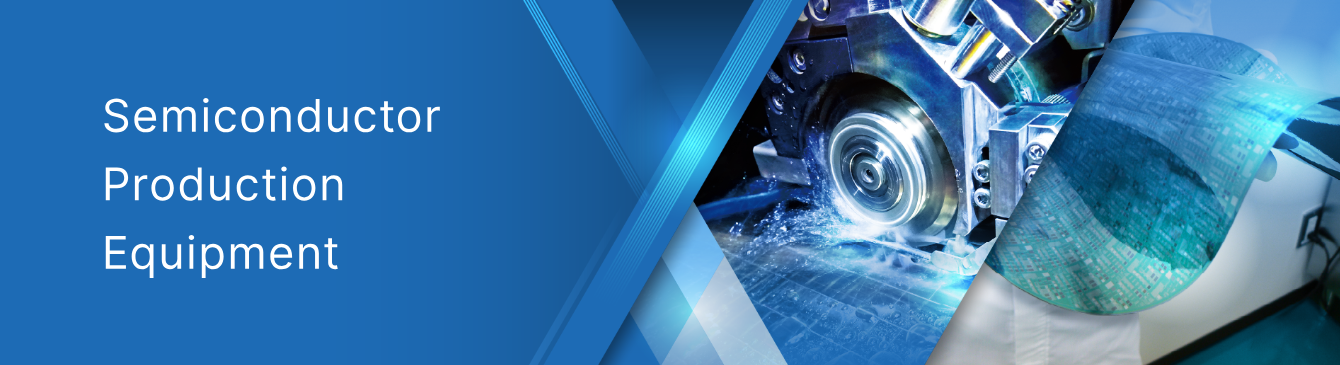






Semiconductors are the foundation of modern electronics, playing a crucial role in the technology that powers our daily lives. These materials, typically silicon or germanium, have electrical conductivity between that of a conductor and an insulator, which can be altered by introducing impurities—a process known as doping. This unique property makes semiconductors essential for manufacturing a wide range of electronic components, including transistors, diodes, and integrated circuits.
At the heart of most electronic devices, from smartphones and computers to cars and medical equipment, semiconductors control the flow of electricity. The ability to switch between conducting and non-conducting states allows semiconductors to act as switches or amplifiers, essential for processing and storing information in digital form. This functionality has made them indispensable in the development of microprocessors, memory chips, and sensors.
The global semiconductor industry is a key driver of technological innovation and economic growth. As devices become more powerful and compact, the demand for more advanced semiconductors continues to rise. Innovations like 5G networks, artificial intelligence, and the Internet of Things (IoT) are heavily dependent on cutting-edge semiconductor technology, which enables faster processing speeds, higher energy efficiency, and greater data storage capacity.
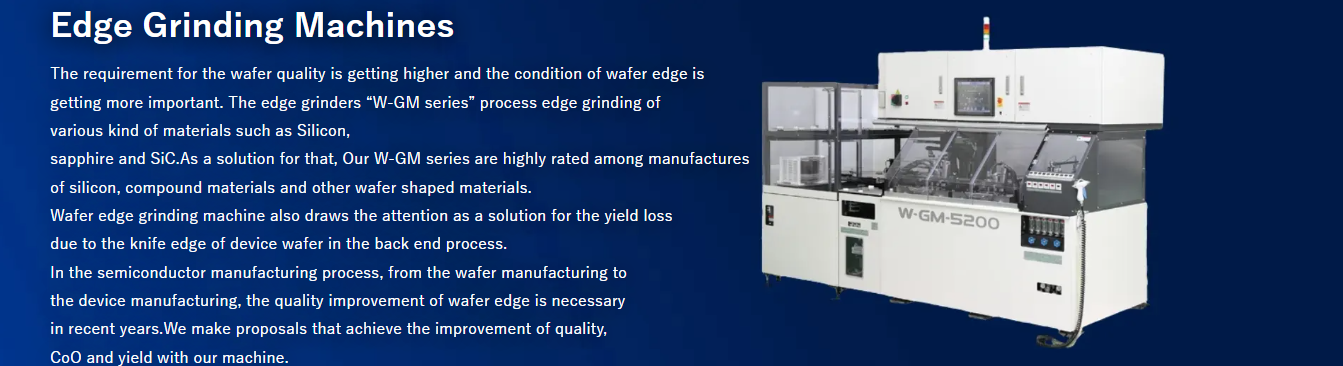
However, the semiconductor industry also faces significant challenges. Manufacturing these components is complex and requires highly specialized equipment and cleanroom environments to avoid contamination. Additionally, geopolitical tensions and supply chain disruptions can impact the availability of these critical materials, affecting industries worldwide.
In conclusion, semiconductors are the backbone of modern technology, driving advancements across various fields. As the demand for smarter and more efficient devices grows, the importance of semiconductors in shaping the future of technology cannot be overstated.